
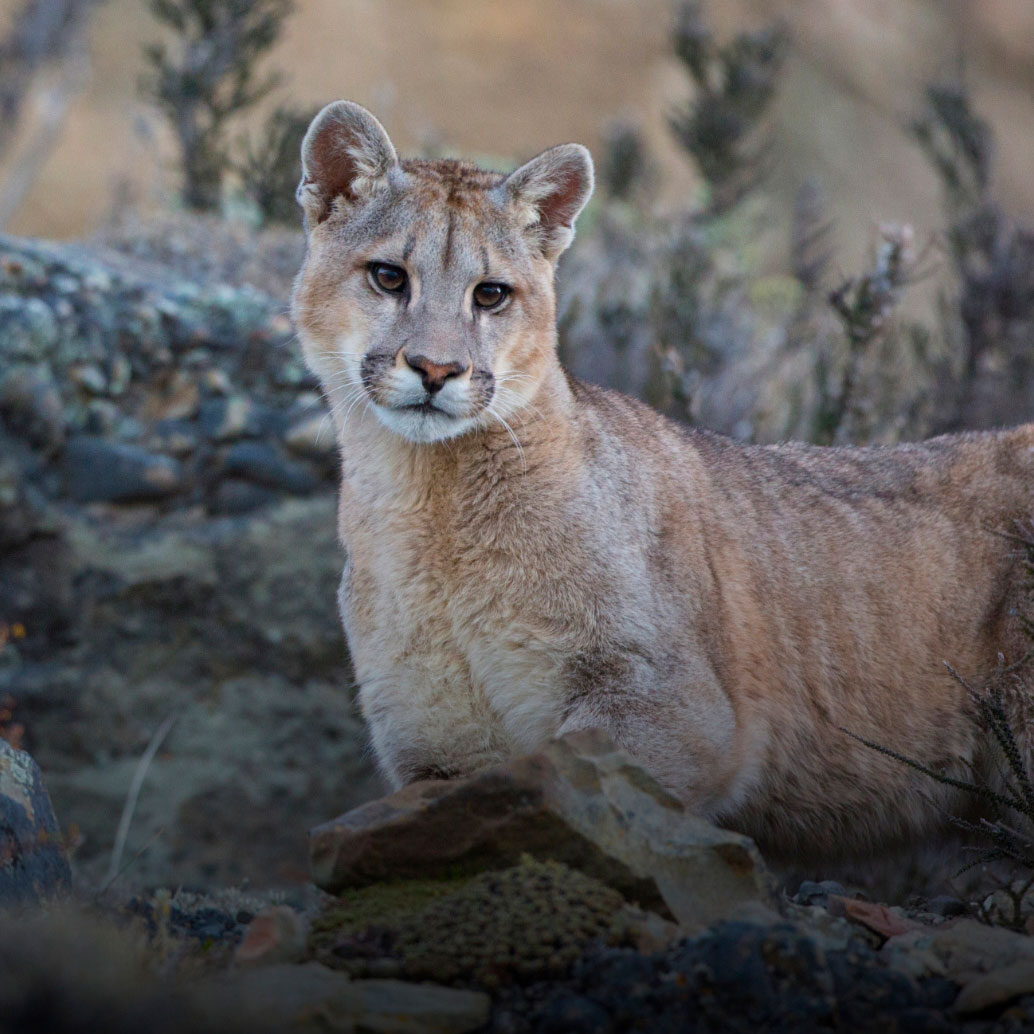
Puma
Ecosystem Architect
The presence of this feline is key to keeping the ecosystem in balance. At the Cañadón Pinturas Portal, we work to highlight the ecological importance of this apex predator and strengthen its coexistence with local economies.
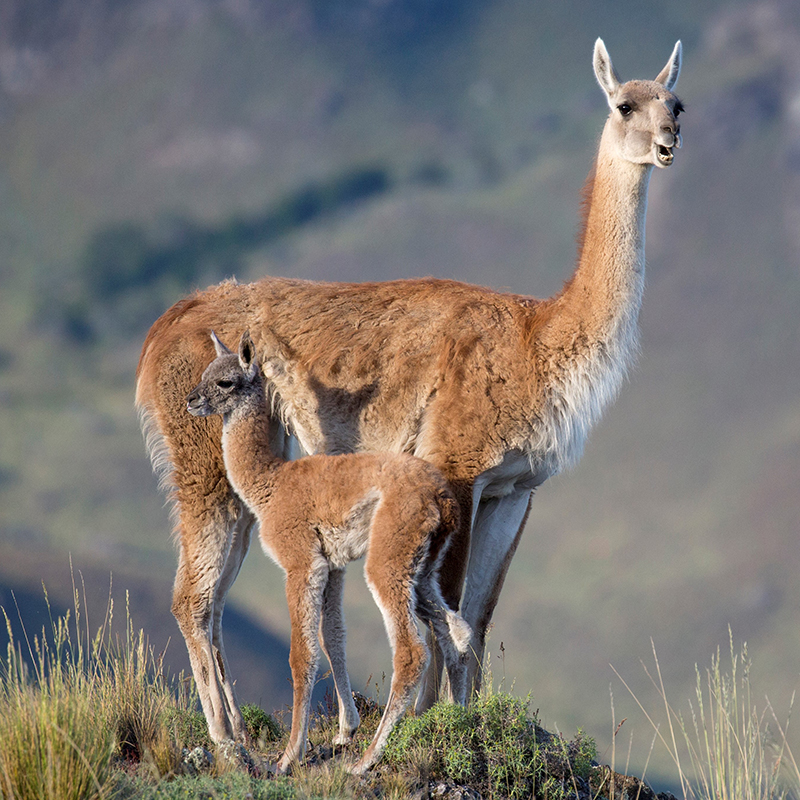
Guanaco
Ancestral Migrator
The largest herbivore in Patagonia, the guanaco played a central role in the lives of the region’s Indigenous peoples throughout history. Today, we work to protect the its great migrations and essential role in the steppe ecosystem.
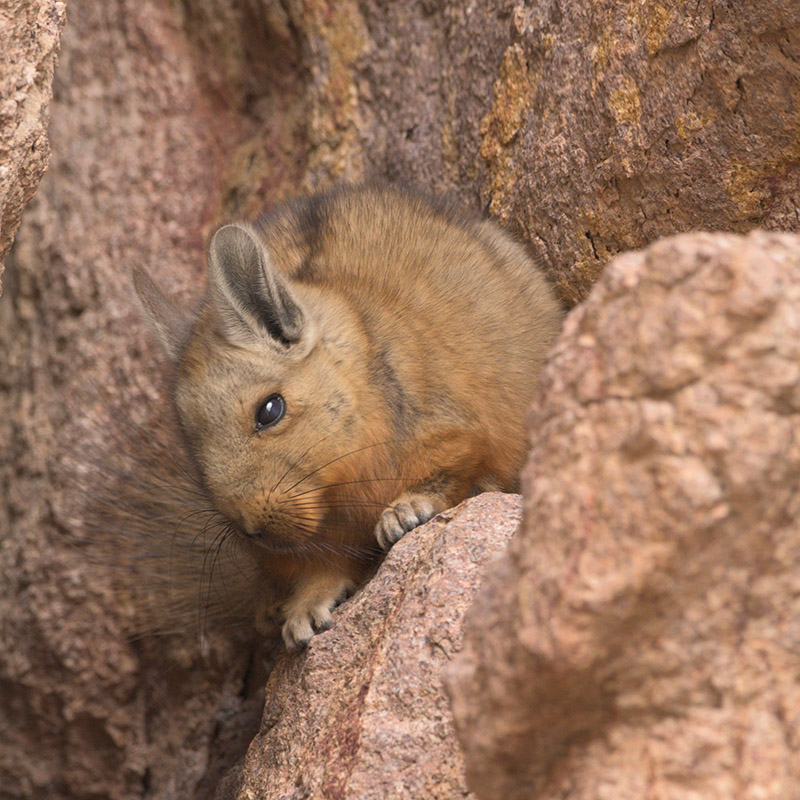
Wolffson’s Viscacha
Canyon Guard
Locally known as “squirrel,” this nocturnal species lives among canyon cracks and crevices. We are restoring populations that disappeared due to past human pressures, particularly hunting.
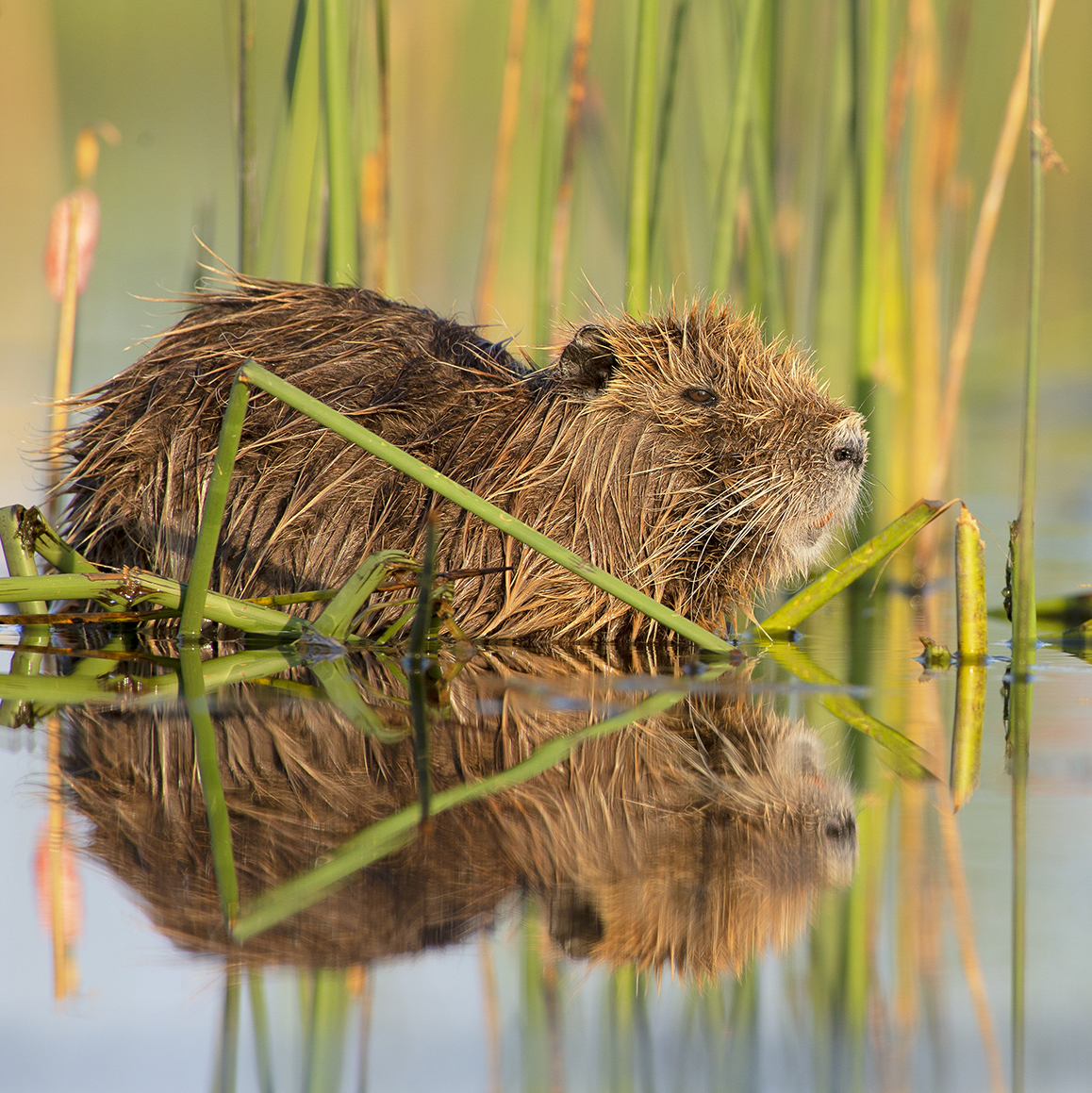
Coypu
Wetland Gardener
The loss of this large rodent is closely tied to the decline of aquatic vegetation and hunting for its fur. We are working to reestablish its populations along the Pinturas River and in Caracoles Canyon.
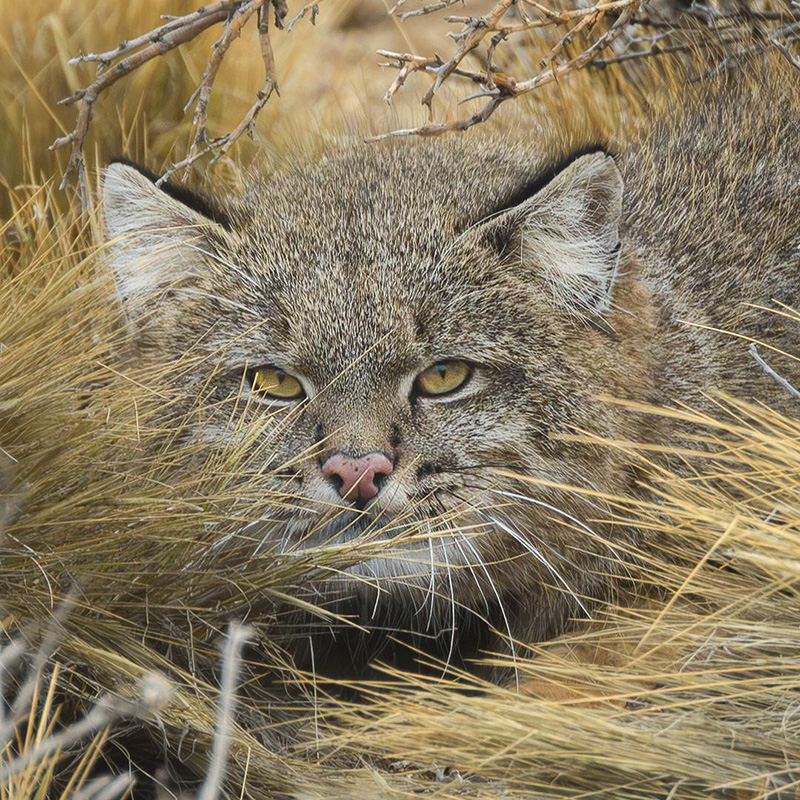
Pampas Cat
Small but Mighty Predator
A skilled hunter of ground-dwelling birds, mice, and cavies, this small feline plays an important role in regulating rodent populations. We work to raise awareness of its ecological value.
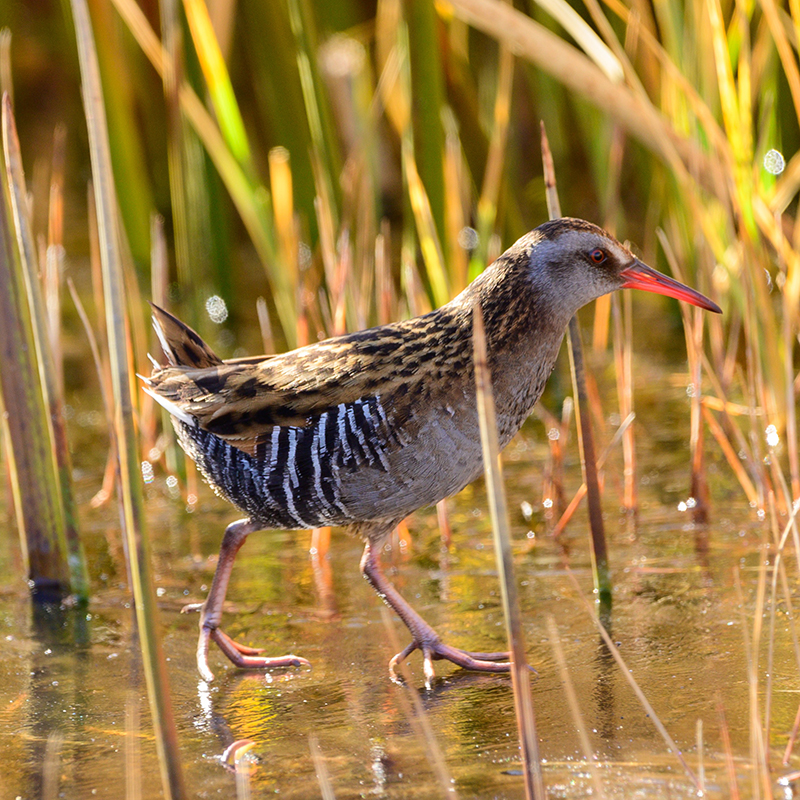
Austral Rail
Small Bird Among the Reeds
This rare wetland bird lives hidden within the reedbeds of the Patagonian steppe and remains little known to local communities. We are restoring degraded wetlands to help existing populations recover and create new habitat where it has disappeared.
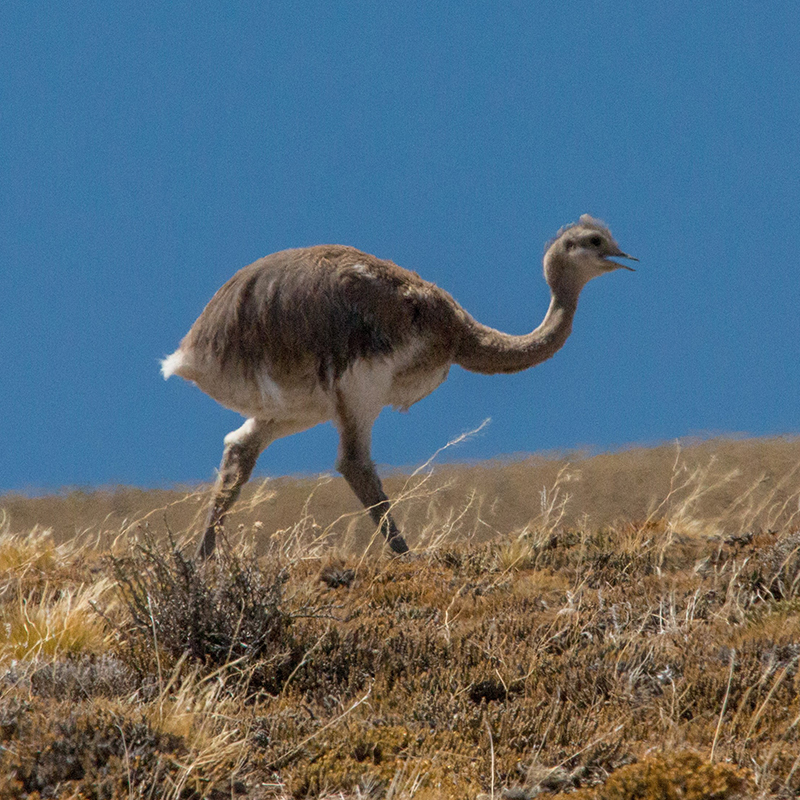
Darwin’s Rhea (Choique)
Steppe Hiker
Standing up to a meter tall, the male cares for the nest, incubates the eggs, and raises the chicks. Our work focuses on reducing the threats that led to its decline in Patagonia Park and improving our understanding of its ecology.
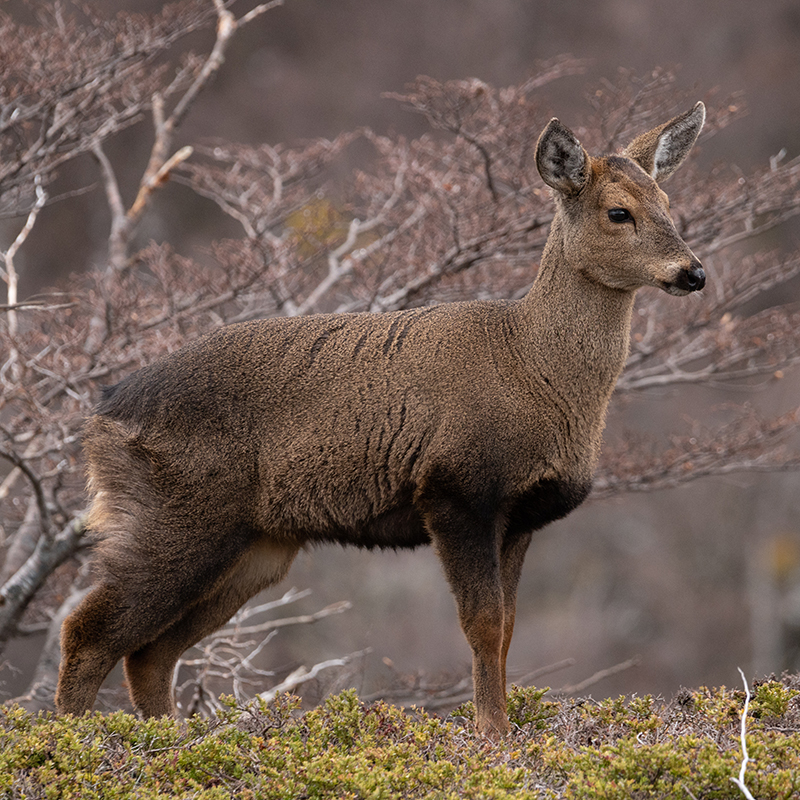
Huemul
The Steppe Deer
The world’s southernmost deer is critically endangered due to hunting, diseases transmitted by livestock, and habitat loss. We are working to reintroduce it into the steppe valleys where it once lived.
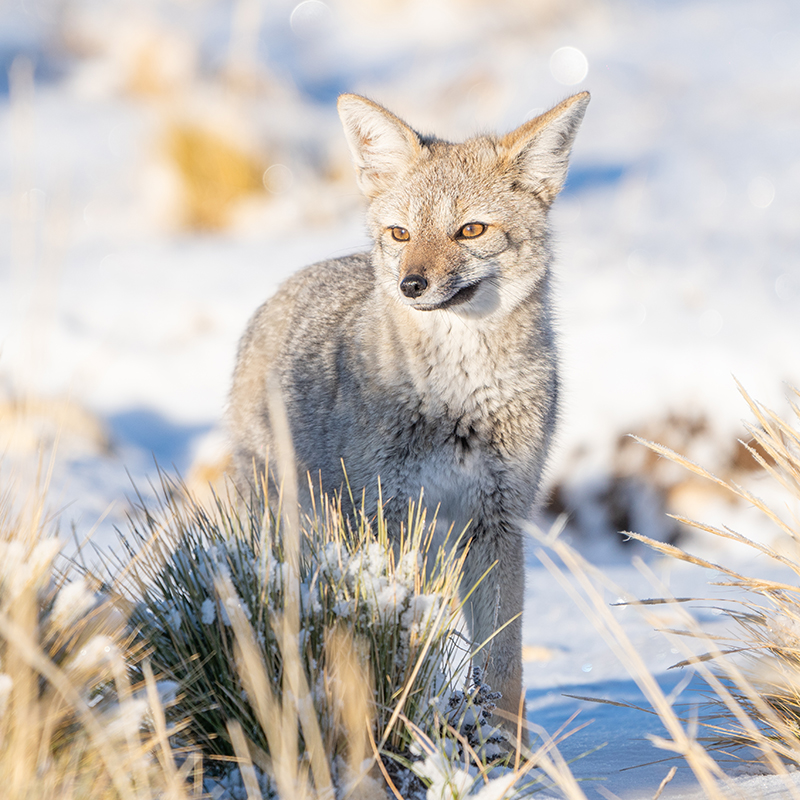
Gray Fox
Small Mesopredator
The smaller of Patagonia’s two fox species, it feeds on rodents, reptiles, and small birds. Once hunted and viewed as a threat to livestock, it is now being studied to better understand its role in the ecosystem.
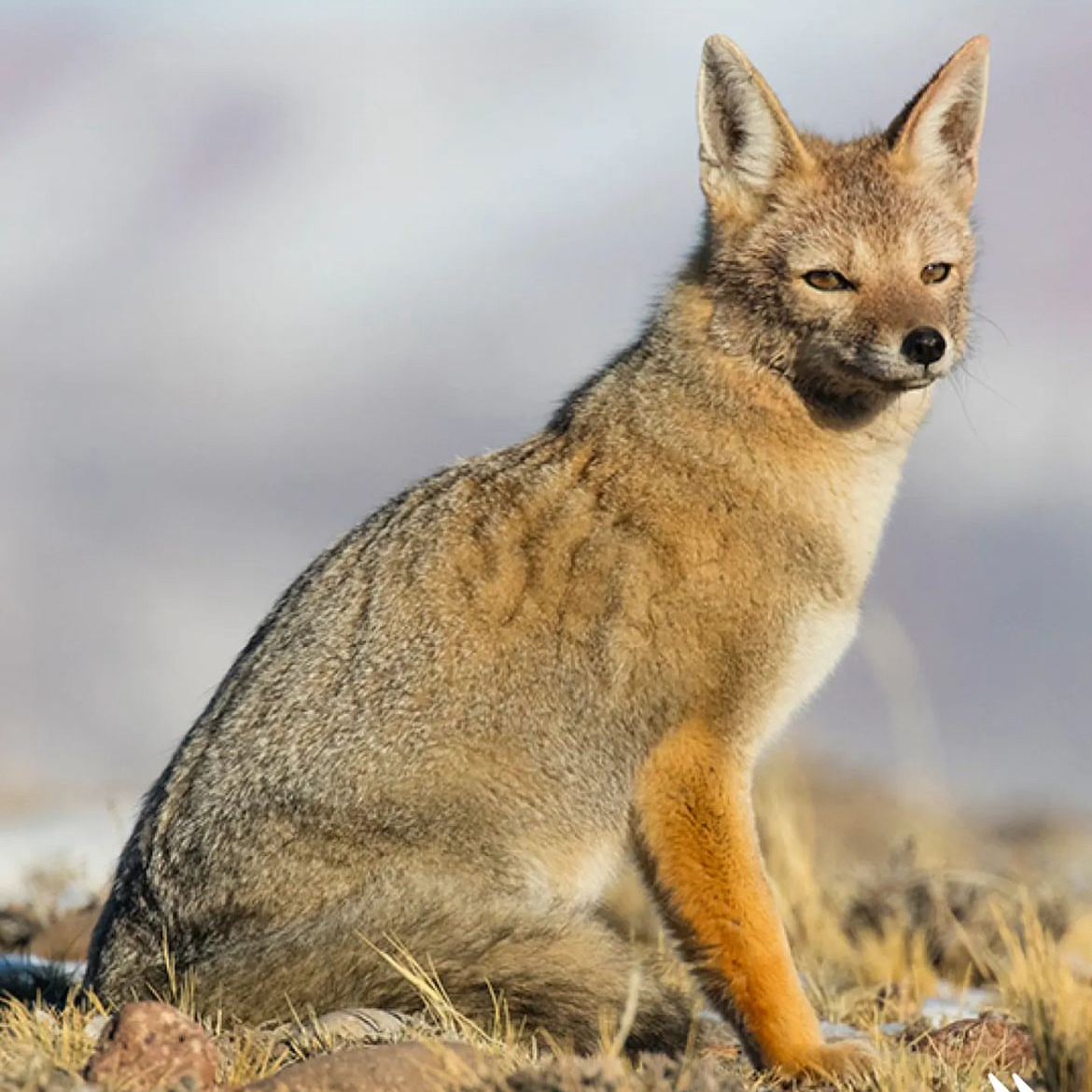
Culpeo (Red Fox)
Larger Mesopredator
Up to three times larger than the gray fox, it preys on species such as juvenile rheas and young guanacos. Formerly threatened, it is now the focus of research that seeks to clarify its ecological interactions.
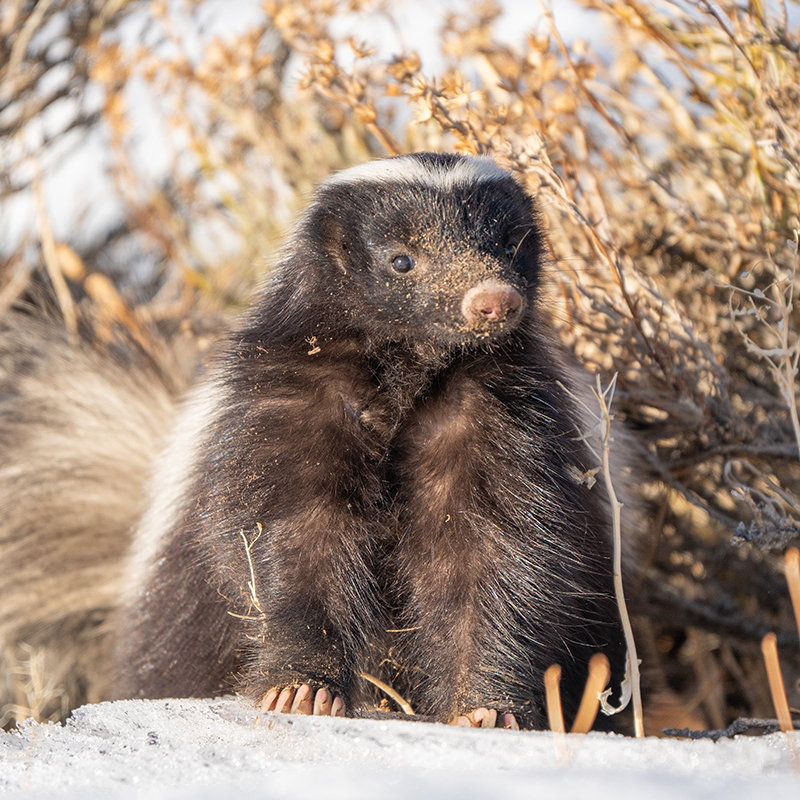
Patagonian Skunk
Opportunistic Omnivore
This adaptable species takes advantage of whatever food is available. By controlling insects and small mammals and cleaning up carrion, it supports ecological balance and soil health. It was once heavily hunted for its fur.
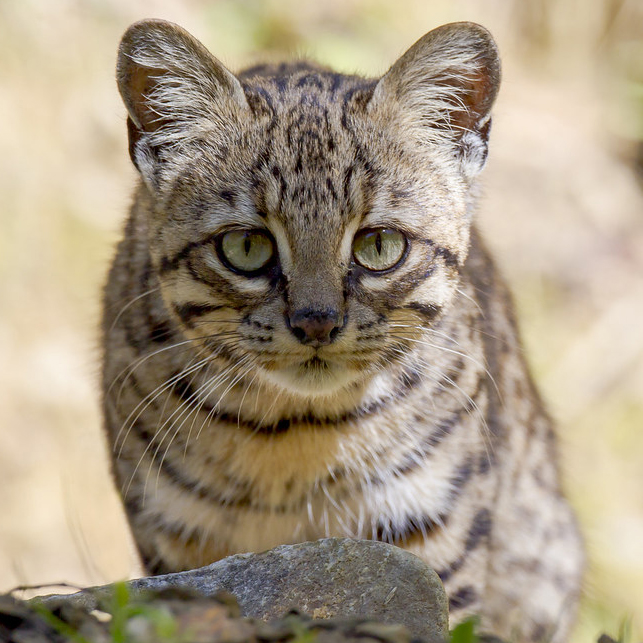
Geoffroy’s Cat
The Rarest Mesopredator
The largest wild cat in the region, feeding mainly on rodents and birds. It’s the least-recorded mesopredator in Patagonia Park, signaling the urgent need for stronger conservation action.

Species reintroduction
Reintroducing native species that are no longer present and bolstering populations of those in decline, promoting harmony between wildlife and human activities.

Invasive species eradication
Removing plants and animals that are not native to the region that threaten local ecosystems.

Habitat restoration
Restoring wetlands, springs, and rivers to create healthier habitats for all species.